
Choosing a car from China for the first time is not mainly a brand decision. The difficult part is balancing the vehicle itself with the destination climate, local service, fuel or charging access, export documents and the total delivered cost. A familiar badge is useful, but a well-matched specification is more important.
This guide gives first-time buyers a practical sequence for building a shortlist without starting from dozens of model names.
Step 1: define how the car will actually be used
Write down the three journeys the vehicle will make most often. A car used mainly in city traffic has different priorities from one that regularly carries five adults, travels between cities or drives on rough winter roads.
- City commuting: compact dimensions, good visibility, simple parking and low running costs.
- Family use: rear-seat space, luggage capacity, safety equipment and a comfortable suspension.
- Long-distance travel: proven powertrain, fuel range, tyre availability and stable highway behaviour.
- Mixed or poor roads: ground clearance, practical wheel size and protection for vulnerable components.
Do not pay for seven seats if they will be used twice a year. Conversely, a compact crossover that looks affordable may become inconvenient when it carries passengers and luggage every week.
Step 2: choose the powertrain before the model
A petrol car remains the simplest choice when charging is uncertain or the vehicle frequently travels far from large cities. A plug-in hybrid can reduce daily fuel use, but only if it can be charged regularly. A battery-electric car can be very economical in the right use case, yet winter range, charging standards and home charging must be checked before payment.
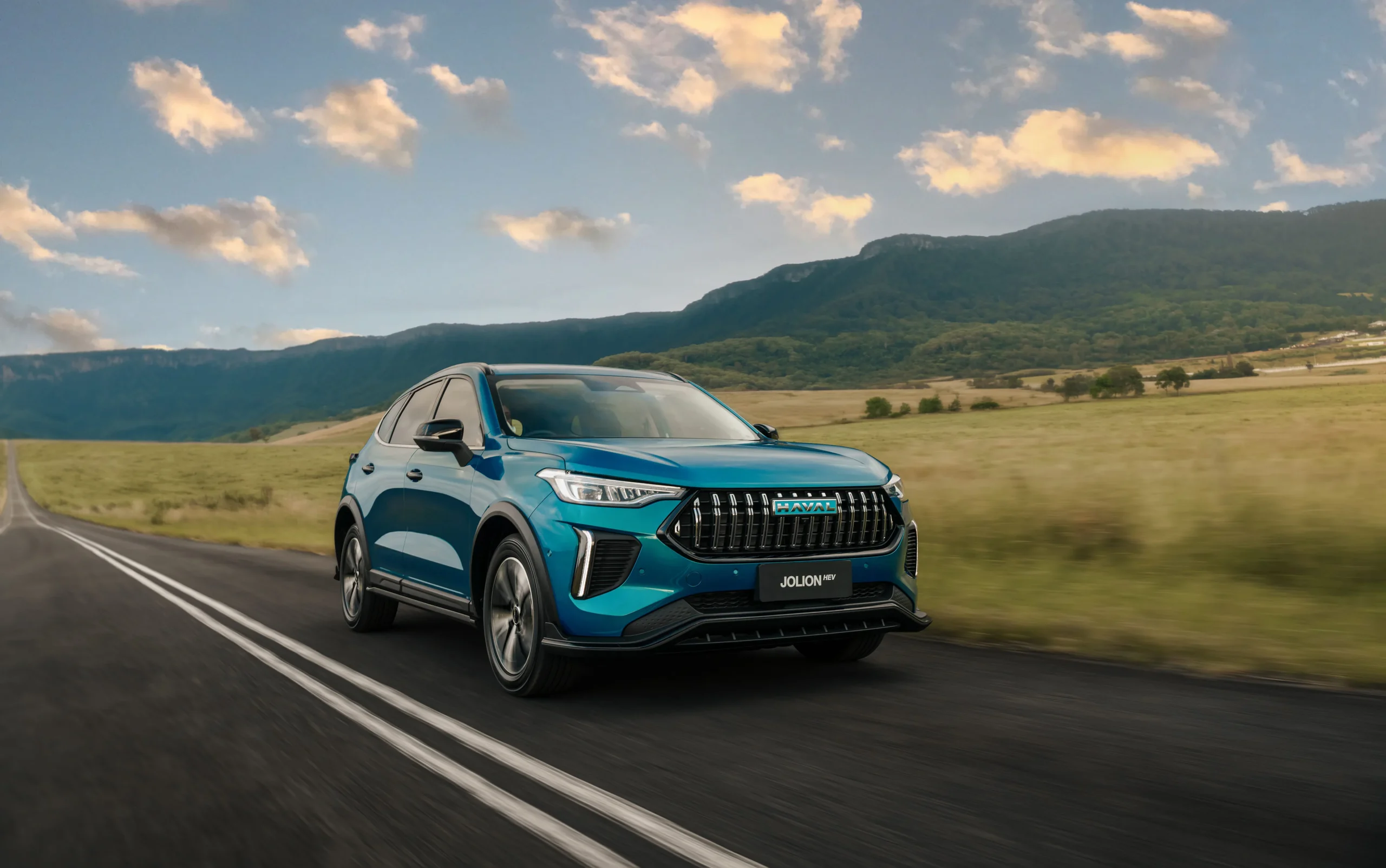
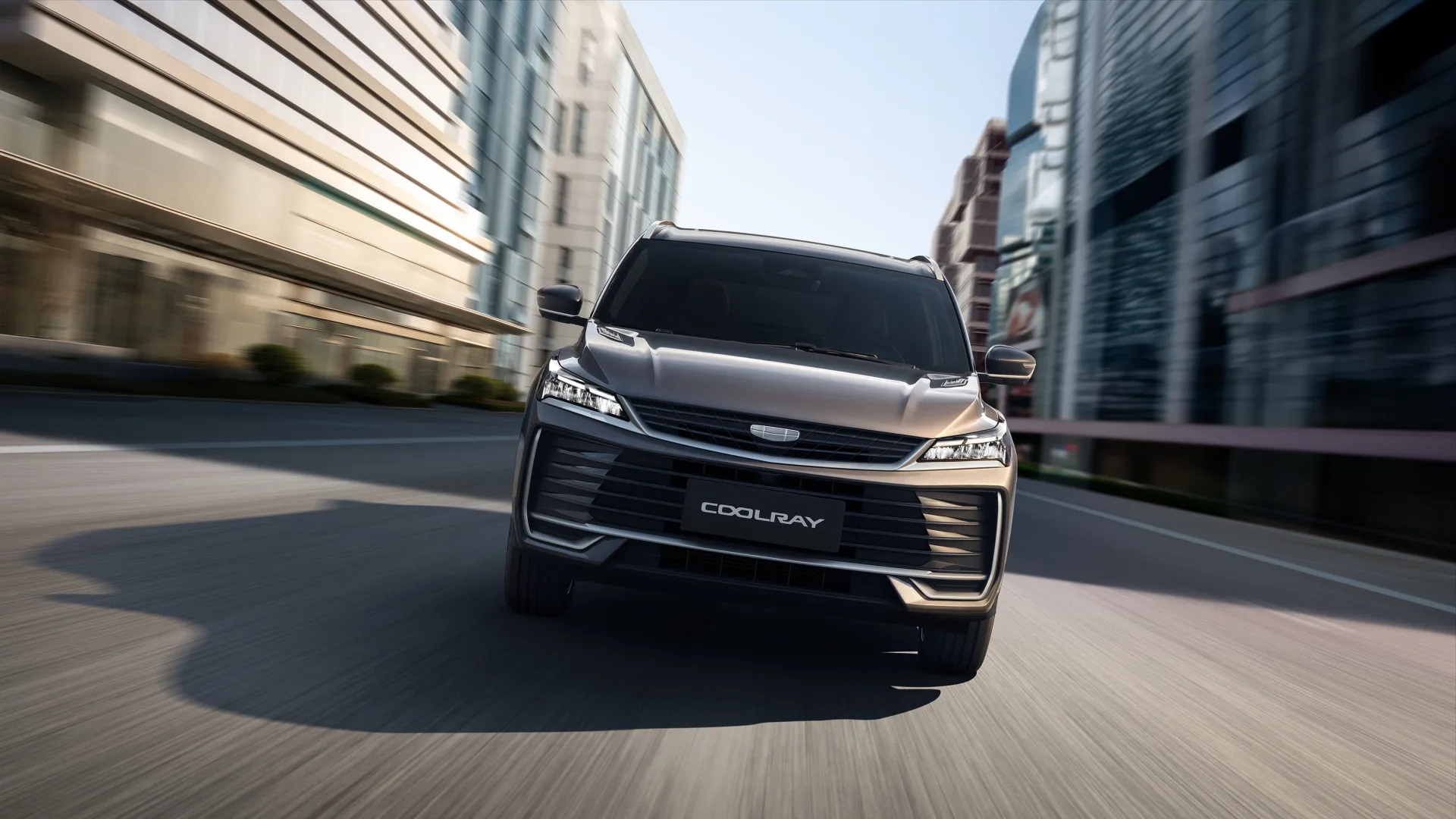
For buyers who want a conventional, practical crossover, models such as the Haval M6, Haval Jolion and Geely Coolray illustrate three different priorities: space and value, balanced everyday use, and a more compact, performance-oriented format. They are examples for comparison, not a claim that one model is universally better.
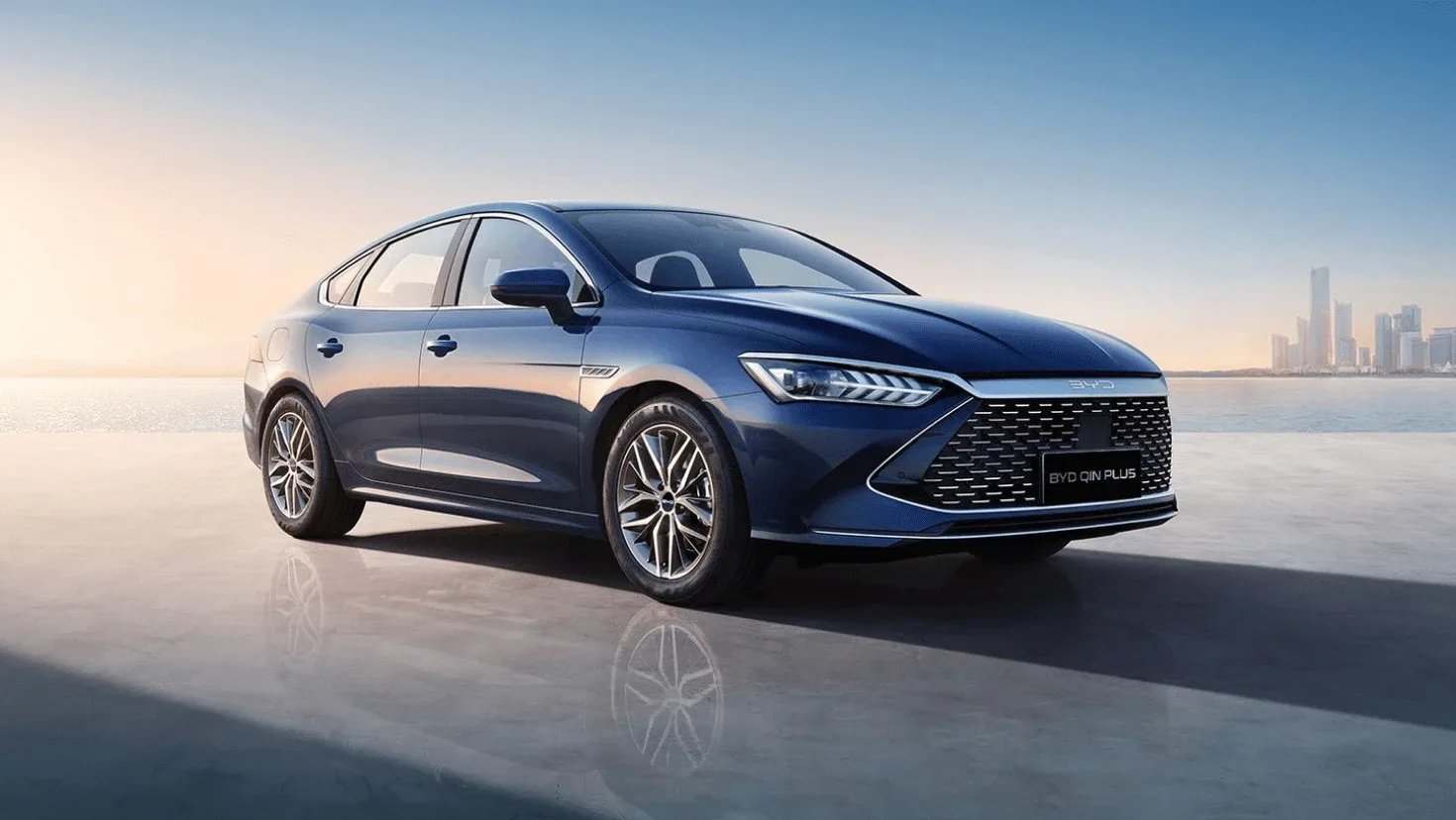
For buyers with predictable charging, the BYD Dolphin is a useful city-EV reference. The BYD Qin Plus DM-i shows how a plug-in hybrid can suit drivers who want electric commuting without relying entirely on public charging.
Step 3: check the exact version, not only the model name
Chinese-market vehicles can have several versions with similar exterior appearance but different batteries, driver-assistance systems, cameras, heating equipment, charging ports, wheel sizes and infotainment languages. A listing that says only the model and year is not enough.
Before accepting a quotation, request the exact trim, model year, production date and a written equipment list. For EVs and plug-in hybrids, confirm battery capacity, charging-port standard and included charging equipment. For cold regions, verify seat heating, steering-wheel heating, battery thermal management and the availability of suitable winter tyres.
Step 4: build a three-car shortlist
A useful shortlist has three roles:
- Safe choice: the easiest model to service and resell in your market.
- Best-value choice: the model that delivers the required space and equipment at the lowest total cost.
- Preferred choice: the model you genuinely like, provided it passes the practical checks.
Compare these three on the same basis: exact version, condition, China-side costs, transport route and destination charges. Our vehicle catalogue can be used to build the initial list, but availability and specifications should always be reconfirmed before an order.
Step 5: calculate the delivered budget
The advertised vehicle price is not the final budget. Depending on the transaction and destination, the total may include domestic transport in China, inspection, export documents, port or terminal handling, international transport, insurance and destination customs or taxes.
Ask for a quotation that states the Incoterm, destination point, included services and excluded costs. If two quotations use different delivery terms, their headline prices cannot be compared directly. Read our guide to FCA, CPT, CIP and DAP before comparing offers.
Step 6: verify the car and the payment recipient
For an identified vehicle, match the VIN across the car, documents and sales agreement. Request dated photos or video, mileage evidence and a condition record. For an EV, request battery information when available. Our vehicle verification checklist explains what can be checked and where inspection limits remain.
The beneficiary on the bank instructions should match the company named in the proforma invoice or contract. Confirm the legal entity, bank details, specification and delivery term before payment. See the payment and documents guide for the minimum checks.
A quick first-buyer decision table
- Need maximum practicality and simple ownership: begin with mainstream petrol crossovers.
- Mostly city driving with reliable charging: compare compact EVs.
- Daily charging plus occasional long trips: consider a plug-in hybrid.
- Large family or frequent luggage: prioritise cabin packaging before exterior styling.
- Harsh winter or long rural routes: prioritise cold-weather equipment, range margin and service access.
A good first purchase is not the car with the longest equipment list. It is the car whose use case, version, condition, documents and delivered cost are all clear before money moves.
If you want a neutral three-model comparison, send the destination country and city, total budget, passenger count, preferred powertrain and typical driving conditions to kai@iautoexport.com. We will use those requirements to narrow the catalogue rather than simply recommending the most expensive option.